
How to Align Your Passion, Strengths, and Business into One Meaningful Mission
The Ultimate Guide for Entrepreneurs
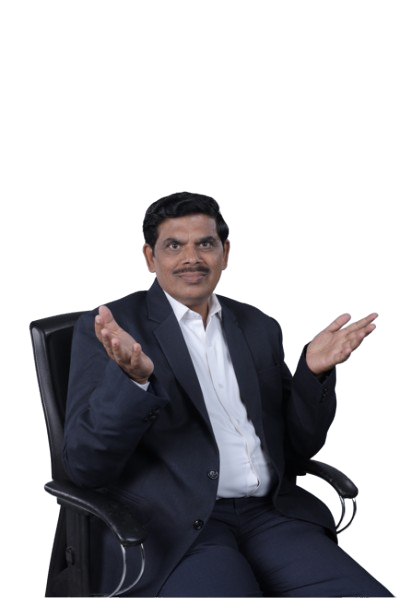
Author: Coach Raghava Reddy
Human Potential Coach, Institute of Human Excellence
Hyderabad, TG, India.
========================================================================
Introduction
Imagine waking up every morning feeling successful on paper but empty inside.
Your business is growing. Clients are coming. Revenue is increasing. Friends admire your achievements. Yet, when you look in the mirror, a quiet question keeps returning:
“Is this really what I was meant to do?”
Raj was a successful entrepreneur who had built a profitable consulting business. He worked 12-hour days, earned a comfortable income, and had all the external signs of success. But every Sunday evening, he felt a heaviness he couldn’t explain.
One day, while mentoring a young entrepreneur, something unexpected happened. He realized that the hour he spent helping someone discover their potential brought him more joy than an entire week of closing business deals.
That moment changed everything.
Raj gradually redesigned his business around what he genuinely loved, what he naturally excelled at, and what created meaningful transformation for others. His income didn’t decline—it increased. More importantly, he woke up energized instead of exhausted.
His work stopped feeling like work.
It became his mission.
This is the journey that many of the world’s most respected entrepreneurs have taken. They rarely separate their passion, strengths, and business. Instead, they integrate them into one meaningful mission that serves others while creating fulfillment and financial success.
Whether you’re an entrepreneur, business owner, coach, consultant, or ambitious professional, the same opportunity is available to you.
In this guide, you’ll discover a practical framework for aligning your passion, strengths, and business into a purpose-driven life that creates greater impact, fulfillment, prosperity, and lasting significance.
Because true success isn’t simply about making a living.
It’s about making a difference.
Table of Contents
- Why Alignment Changes Everything
- What Passion Really Means
- Discovering Your Natural Strengths
- Understanding Your Core Values
- Finding Problems Worth Solving
- Creating Your Meaningful Mission Statement
- Building a Purpose-Driven Business
- Aligning Daily Actions with Your Mission
- Overcoming Internal Barriers
- Living a Legacy Beyond Success
- Why Alignment Changes Everything
Many people chase success.
Very few pursue alignment.
There is a profound difference.
Success is often measured by income, titles, possessions, or recognition. Fulfillment is the inner satisfaction that comes from doing work that reflects who you truly are. Significance is the lasting impact you leave on the lives of others.
Think of these three levels as a pyramid:
- Success — What you achieve.
- Fulfillment — How you feel.
- Significance — The difference you make.
Many entrepreneurs reach the first level but never experience the second or third. They become trapped in businesses that generate money but drain their energy.
This explains why burnout affects even highly successful business owners. Long hours are not always the problem. Misalignment is.
When your daily work doesn’t reflect your deepest values, strengths, and purpose, every task requires more emotional energy than it should.
What Research Tells Us
Research from Gallup consistently shows that individuals who use their strengths regularly are more engaged, productive, and satisfied at work. Similarly, organizations with a strong sense of purpose often experience higher employee engagement and stronger long-term performance.
The Japanese concept of Ikigai also illustrates this idea beautifully. Ikigai is often described as the intersection of:
- What you love
- What you’re good at
- What the world needs
- What you can be paid for
When these four elements overlap, work becomes deeply meaningful.
Real-World Examples
Steve Jobs didn’t simply build computers. He transformed how people interact with technology through elegant design.
Oprah Winfrey didn’t build a television career alone. She built a mission centered on helping people grow emotionally and spiritually.
Narayana Murthy didn’t merely establish an IT company. He created an organization rooted in ethics, innovation, and opportunity.
Their businesses reflected who they were.
That alignment became their competitive advantage.
“The only way to do great work is to love what you do.” — Steve Jobs
Practical Exercise: Your Alignment Score
Rate yourself from 1 to 10 in each area:
- Passion
- Skills
- Income
- Impact
Ask yourself:
- Do I enjoy what I do every day?
- Am I using my strongest abilities?
- Does my business provide financial stability?
- Am I creating meaningful change?
If your scores vary widely, you’ve identified an opportunity for greater alignment.
- What Passion Really Means
One of the biggest myths in personal development is that passion is something you magically discover.
In reality, passion is often developed through curiosity, commitment, and consistent practice.
Let’s distinguish a few important concepts.
Interest
Something you enjoy occasionally.
Example: Reading books about psychology.
Hobby
An enjoyable activity without professional responsibility.
Example: Photography on weekends.
Passion
An activity that energizes you and motivates continuous learning.
Example: Coaching people to transform their lives.
Calling
A deep inner conviction that your work serves a purpose beyond personal gain.
Mission
A commitment to solving meaningful problems for others using your unique abilities.
Notice the progression.
Interest may become a hobby.
A hobby may become a passion.
A passion can evolve into a calling.
A calling becomes a mission when it creates value for other people.
Examples
Athletes don’t become passionate simply by watching sports. Their passion grows through disciplined practice.
Teachers discover their passion while seeing students succeed.
Business founders often uncover their purpose by solving problems repeatedly for customers.
Creators become passionate because they continue creating—even before recognition arrives.
Passion grows where consistent effort meets meaningful contribution.
Reflection Exercise
Complete this sentence several times:
“I lose track of time when…”
Don’t overthink.
Write whatever naturally comes to mind.
Your answers often reveal the activities that energize you most deeply.
Signs You’ve Discovered Genuine Passion
- You willingly invest time in learning.
- Challenges excite rather than discourage you.
- People naturally seek your help.
- You feel energized after doing the work.
- You continue even when recognition is absent.
- You experience a sense of flow.
- Your enthusiasm inspires others.
Passion isn’t merely excitement.
It’s sustainable energy directed toward meaningful contribution.
- Discovering Your Natural Strengths
Passion alone isn’t enough.
You also need competence.
The most successful entrepreneurs operate where passion meets exceptional ability.
Talents vs. Skills
A talent is something that comes naturally.
A skill is something that can be learned.
For example:
Empathy may be a natural talent.
Coaching techniques are learned skills.
Public speaking can be learned.
Connecting emotionally with an audience may be an innate strength.
The goal isn’t simply becoming good at everything.
The goal is becoming exceptional at what you naturally do best.
Strengths vs. Competencies
Competencies help you perform.
Strengths help you excel.
When you work from your strengths, you enter what psychologists call a flow state—a condition where you’re fully immersed, highly productive, and energized by the work itself.
This is one reason strengths-based development has become such an important focus in leadership and coaching.
Practical Exercise
Create four columns:
Skills
- What have I learned?
Talents
- What comes naturally?
Experiences
- What life lessons have shaped me?
Knowledge
- What subjects do I understand deeply?
Review your list carefully.
Notice where patterns emerge.
Those recurring themes often point toward your unique value proposition.
Example
A psychologist may realize that helping people overcome limiting beliefs feels effortless.
Instead of offering generic consulting services, they build a coaching practice focused on mindset transformation.
Their strengths become their business advantage.
Feedback Exercise
Ask five people you trust:
“What do you think I’m naturally good at?”
Don’t defend.
Don’t explain.
Simply listen.
Others often recognize our strengths before we do.
- Understanding Your Core Values
Your strengths determine what you can do.
Your values determine what you should do.
Values are the principles that guide your decisions, relationships, and priorities.
Ignoring them almost always leads to dissatisfaction—even if your business is profitable.
Consider these common values:
- Integrity
- Growth
- Contribution
- Freedom
- Learning
- Leadership
- Compassion
None is better than another.
The important question is:
Which values define you?
Why Values Matter
Imagine someone who deeply values freedom working in a business with rigid systems and constant supervision.
Or someone who values contribution spending years selling products they don’t believe in.
Eventually, internal conflict appears.
Success without values creates stress.
Success aligned with values creates fulfillment.
Exercise: Identify Your Top Five Values
From the list above—or your own—choose the five values you refuse to compromise.
Now ask:
- Does my current business reflect these values?
- Which value is strongest?
- Which value am I neglecting?
Daily Values Alignment Checklist
At the end of each day, ask yourself:
- Did I act with integrity?
- Did I continue learning?
- Did I contribute to someone else’s growth?
- Did today’s work reflect my purpose?
- Am I becoming the person I want to become?
Small daily decisions create lifelong alignment.
- Finding Problems Worth Solving
Businesses don’t exist to sell products.
Businesses exist to solve problems.
The greater the problem you solve, the greater the value you create.
This leads us to a simple but powerful framework.
Passion
What energizes you?
Strengths
What are you exceptionally good at?
Market Need
What problems are people willing to solve?
=
Purpose-Driven Business
When these three elements intersect, you create work that is meaningful, valuable, and sustainable.
Examples
Airbnb solved the problem of affordable and authentic accommodation.
Tesla addressed the need for sustainable transportation while proving electric vehicles could be desirable.
Apple focused on making technology intuitive and beautifully designed.
Patagonia built a successful business around environmental responsibility and quality products.
Each company succeeded because it solved meaningful problems—not because it simply sold products.
Research Insight
Purpose-driven organizations consistently demonstrate stronger customer loyalty, higher employee engagement, and better long-term resilience than businesses driven solely by short-term profit.
Purpose isn’t just inspiring.
It’s practical.
Practical Exercise
Write down ten problems your ideal audience experiences.
Then identify:
- Which problems excite you to solve?
- Which problems match your strengths?
- Which problems have the greatest potential impact?
The answers reveal where your business mission should focus.
- Create Your Meaningful Mission Statement
Once you’ve identified your passion, strengths, values, and audience, it’s time to bring them together in one clear statement.
A mission statement is not a slogan.
It is a declaration of why your business exists.
Use this simple framework:
I help…
Who…
Achieve…
Using…
So they can…
Examples
Tony Robbins:
“I help individuals and organizations unlock extraordinary performance so they can live exceptional lives.”
Simon Sinek:
“I help leaders inspire people to build organizations where trust, purpose, and innovation flourish.”
Coach Raghava Reddy:
“I help entrepreneurs, professionals, business owners, coaches, and consultants unlock their untapped human potential using neuroscience-based coaching, mindset transformation, and practical implementation systems so they can build purposeful businesses, achieve extraordinary success, and create lasting impact in society.”
Notice that each mission focuses on transformation rather than transactions.
People don’t buy coaching.
They buy confidence.
They don’t buy courses.
They buy capability.
They don’t buy strategies.
They buy outcomes.
Exercise: Draft Your Mission
Complete the framework in one sentence.
Don’t aim for perfection.
Aim for clarity.
Refine it over time as your experience grows.
Remember, your mission is not just a statement you display on your website.
It is the compass that guides every decision you make, every product you create, every client you serve, and every legacy you leave behind.
- Build a Purpose-Driven Business
Once you have clarity about your mission, the next step is designing a business that consistently delivers on that purpose.
Many entrepreneurs make the mistake of building a business around products.
Highly successful entrepreneurs build businesses around transformation.
People don’t buy products because they exist.
They buy solutions because they want their lives to improve.
Your mission should become the foundation for every aspect of your business.
Think of your business as an ecosystem where every element supports the same purpose.
The Seven Pillars of a Purpose-Driven Business
- Purpose
Your purpose answers the question:
Why does your business exist beyond making money?
A clear purpose attracts people who believe in your vision.
- Products and Services
Every product should solve a specific problem.
Ask yourself:
- Does this product align with my mission?
- Does it genuinely improve someone’s life?
- Does it represent my best work?
Avoid creating products simply because they are trending.
Create solutions that remain valuable for years.
- Content
Content is one of the most powerful ways to build trust.
Whether you publish blogs, YouTube videos, podcasts, newsletters, or social media posts, every piece of content should educate, inspire, and empower your audience.
Before publishing anything, ask:
Does this content move people closer to their goals?
- Community
Businesses build customers.
Purpose-driven businesses build communities.
Communities create belonging.
People stay where they feel understood.
This is why creating an engaged learning community can become one of your greatest competitive advantages.
Communities encourage:
- Accountability
- Growth
- Collaboration
- Shared learning
- Long-term relationships
- Personal Brand
People connect with people.
Your personal story gives meaning to your message.
Share:
- Your struggles
- Lessons learned
- Failures
- Breakthroughs
- Growth journey
Authenticity creates trust.
Trust creates influence.
- Systems
Purpose without systems creates inconsistency.
Develop systems for:
- Client onboarding
- Learning experiences
- Follow-up
- Feedback
- Improvement
- Community engagement
Systems free you to focus on creating impact instead of constantly managing chaos.
- Sustainable Revenue
Many people believe purpose and profit are opposites.
They are not.
Profit allows your mission to continue.
Revenue enables innovation.
Income creates greater contribution.
Money is not the mission.
It is the fuel that allows the mission to expand.
“Purpose is the reason you journey. Passion is the fire that lights your way.”
Mission Alignment Audit
Rate each area from 1–10.
- My business reflects my mission.
- My products solve meaningful problems.
- My content educates and inspires.
- My marketing feels authentic.
- My clients experience real transformation.
- My work energizes me.
- My business creates positive impact.
Any score below seven deserves your attention.
Alignment is not a destination.
It is a continual process.
- Align Your Daily Actions with Your Mission
Having a meaningful mission is inspiring.
Living it consistently is transformational.
Your future is shaped less by your intentions than by your daily habits.
As James Clear explains in Atomic Habits, small improvements repeated consistently compound into remarkable results over time.
Your mission becomes reality through disciplined action.
Create Daily Systems
Instead of asking,
“What should I accomplish today?”
Ask,
“What actions today reflect the person I am becoming?”
Identity always comes before achievement.
Successful entrepreneurs don’t merely perform successful actions.
They become successful people through consistent habits.
Build a Mission-Centered Morning Routine
Your first hour influences the rest of your day.
Consider including:
- Gratitude practice
- Meditation or prayer
- Physical exercise
- Reading
- Journaling
- Reviewing your mission statement
- Planning your three most important tasks
Even thirty intentional minutes can transform your mindset.
Weekly Reflection
Every week ask yourself:
- Did my work align with my mission?
- Did I serve my audience well?
- What created the greatest impact?
- What distracted me?
- What should I improve next week?
Reflection converts experience into wisdom.
Continue Learning
The world’s best entrepreneurs remain lifelong students.
Invest in:
- Books
- Courses
- Mentors
- Coaching
- Conferences
- Mastermind groups
Growth creates capacity.
Capacity creates impact.
Mission Calendar Exercise
Look at your calendar.
Every appointment represents a priority.
Ask yourself:
- Does this meeting support my mission?
- Does this task move my business forward?
- Am I spending time on activities that truly matter?
If not, redesign your schedule.
Your calendar reveals your true priorities.
“Success is nothing more than a few simple disciplines practiced every day.” — Jim Rohn
- Overcoming the Internal Barriers
Most entrepreneurs don’t fail because of a lack of knowledge.
They fail because of internal limitations.
The greatest obstacle is rarely the market.
It is the mindset.
Let’s examine the most common barriers.
Fear of Failure
Fear often disguises itself as preparation.
You convince yourself you need:
- Another certification
- A better website
- More followers
- More experience
In reality, you need courage.
Action creates confidence.
Waiting creates doubt.
Imposter Syndrome
Many successful entrepreneurs secretly wonder,
“Who am I to teach this?”
Remember:
You don’t need to know everything.
You only need to help someone take the next step.
Your experience may be exactly what another person needs.
Perfectionism
Perfection delays progress.
Done consistently beats perfect occasionally.
Launch.
Learn.
Improve.
Repeat.
Comparison
Social media makes comparison easy.
Someone always appears more successful.
More experienced.
More confident.
Remember:
You’re comparing your behind-the-scenes to someone else’s highlight reel.
Focus on becoming a better version of yourself.
Limiting Beliefs
Many entrepreneurs unknowingly operate from beliefs such as:
- I’m not good enough.
- Success is difficult.
- People won’t pay me.
- Others are more qualified.
- It’s too late.
These beliefs shape decisions.
Decisions shape results.
Replace them with empowering beliefs:
- My experience has value.
- I create meaningful transformation.
- The right people are looking for my help.
- I grow through action.
A Story of Persistence
Colonel Harland Sanders faced rejection over a thousand times before his fried chicken recipe found success.
J.K. Rowling experienced numerous publishing rejections before Harry Potter became a global phenomenon.
Their success was not built on immediate acceptance.
It was built on relentless perseverance.
Every meaningful mission requires resilience.
Practical Mindset Exercise
Divide a page into two columns.
On the left, write every limiting belief holding you back.
On the right, rewrite each belief into an empowering alternative.
Read the empowering statements every morning for thirty days.
Combined with consistent action, new beliefs gradually become your new identity.
“Between stimulus and response there is a space. In that space is our power to choose.” — Viktor Frankl
- Live a Legacy Beyond Success
At the beginning of your entrepreneurial journey, success may mean income.
Later, it becomes influence.
Eventually, it becomes legacy.
Legacy is what remains after you’re gone.
People may forget your products.
They rarely forget how you made them feel.
The entrepreneurs who leave the greatest impact are those who dedicate themselves to serving others.
Think about leaders such as:
- Mahatma Gandhi
- Dr. A.P.J. Abdul Kalam
- Nelson Mandela
Their influence extended far beyond professional achievement.
Their lives became symbols of purpose.
Your business has the same potential.
Not because of its size.
But because of the lives it changes.
Ask Yourself
- What difference do I want to make?
- What problems do I want to solve?
- What values do I want to model?
- What legacy do I want my family to remember?
- Whose life will be better because I existed?
When these questions guide your decisions, success becomes a by-product of contribution.
As leadership expert John Maxwell reminds us:
“People don’t care how much you know until they know how much you care.”
Choose contribution over competition.
Choose significance over status.
Choose purpose over popularity.
That is the path to lasting fulfillment.
Common Mistakes to Avoid
Many entrepreneurs unintentionally delay their success by making predictable mistakes.
Avoid these common traps:
- Chasing money without a meaningful purpose.
- Ignoring your natural strengths.
- Comparing your journey with others.
- Trying to serve everyone instead of a specific audience.
- Creating products that solve no real problem.
- Waiting until everything is perfect before launching.
- Working against your core values.
- Neglecting personal growth.
- Confusing temporary excitement with genuine passion.
- Giving up too early.
Awareness is the first step toward avoiding these pitfalls.
Frequently Asked Questions
- Can I have more than one passion?
Absolutely.
Many successful entrepreneurs have multiple interests. The key is identifying one central mission that connects them into a meaningful business.
- What if my passion doesn’t make money?
Passion alone rarely creates income.
The combination of passion, strengths, and solving valuable market problems creates sustainable businesses.
- How do I discover my strengths?
Reflect on your life experiences, ask trusted people for honest feedback, observe activities where you naturally excel, and continually experiment with new challenges.
- Can my mission change over time?
Yes.
As you grow, your experiences deepen your understanding of how you can contribute. Your mission may evolve while your core values remain constant.
- How long does it take to discover my purpose?
Purpose is usually revealed through consistent action rather than prolonged thinking.
Many entrepreneurs gain clarity while serving others and learning from experience.
Your 30-Day Alignment Action Plan
Transformation begins with consistent action.
Week 1 – Discover Yourself
- Journal about your passions.
- Identify your strengths.
- Complete your values assessment.
- Reflect on experiences that shaped your life.
Week 2 – Understand Your Audience
- Interview potential clients.
- Identify ten recurring problems.
- Study your industry.
- Observe market trends.
Week 3 – Build Your Mission
- Write your mission statement.
- Clarify your ideal client.
- Design your signature offer.
- Create educational content.
Week 4 – Take Action
- Launch your first offer or improvement.
- Collect feedback.
- Measure results.
- Refine your systems.
- Celebrate progress.
- Continue learning.
Remember:
Progress creates confidence.
Action creates clarity.
Consistency creates excellence.
Final Thoughts
Your passion gives you energy.
Your strengths enable excellence.
Your values provide direction.
Your mission creates meaning.
Your business becomes the vehicle through which your gifts improve the lives of others.
When these elements work together, success becomes more than financial achievement.
It becomes a life of fulfillment, significance, contribution, and lasting impact.
Never underestimate what can happen when one person fully commits to becoming the highest version of themselves.
Your purpose is not hidden somewhere in the future.
It is revealed through the courageous choices you make today.
As the founder of the Institute of Human Excellence, I have witnessed countless individuals transform their lives—not because they discovered a magical formula, but because they chose to align who they are with what they do.
The same transformation is available to you.
One decision.
One habit.
One mission.
One life dedicated to making a difference.
That is the true measure of human excellence.
Ready to Unlock Your Full Human Potential?
If you’re ready to discover your purpose, strengthen your mindset, unlock your hidden potential, and build a meaningful business that creates lasting impact, I invite you to join my FREE Human Potential Master Class.
In this transformational session, you’ll learn practical frameworks to:
- Discover your unique purpose.
- Align your passion, strengths, and business.
- Develop a success-oriented mindset.
- Eliminate limiting beliefs.
- Increase confidence and clarity.
- Build a purpose-driven business and life.
Whether you’re an entrepreneur, business owner, coach, consultant, or ambitious professional, this master class will equip you with the tools to move from potential to performance.
Join thousands of growth-minded individuals who are committed to creating a life of excellence, purpose, and contribution.
Reserve your FREE seat today and begin your journey toward becoming the person you were created to be.
About the Author
Coach Raghava Reddy is a Human Potential Coach and the founder of the Institute of Human Excellence. With over 25 years of teaching, coaching, and training experience, he helps entrepreneurs, professionals, business owners, coaches, and consultants unlock their untapped human potential through neuroscience-based mindset transformation, practical implementation systems, and purpose-driven leadership. His mission is to empower individuals to build meaningful businesses, create extraordinary success, and make a lasting impact on society.
If this article helped you, share it with someone who wants to unlock their full human potential.


